

Key Points
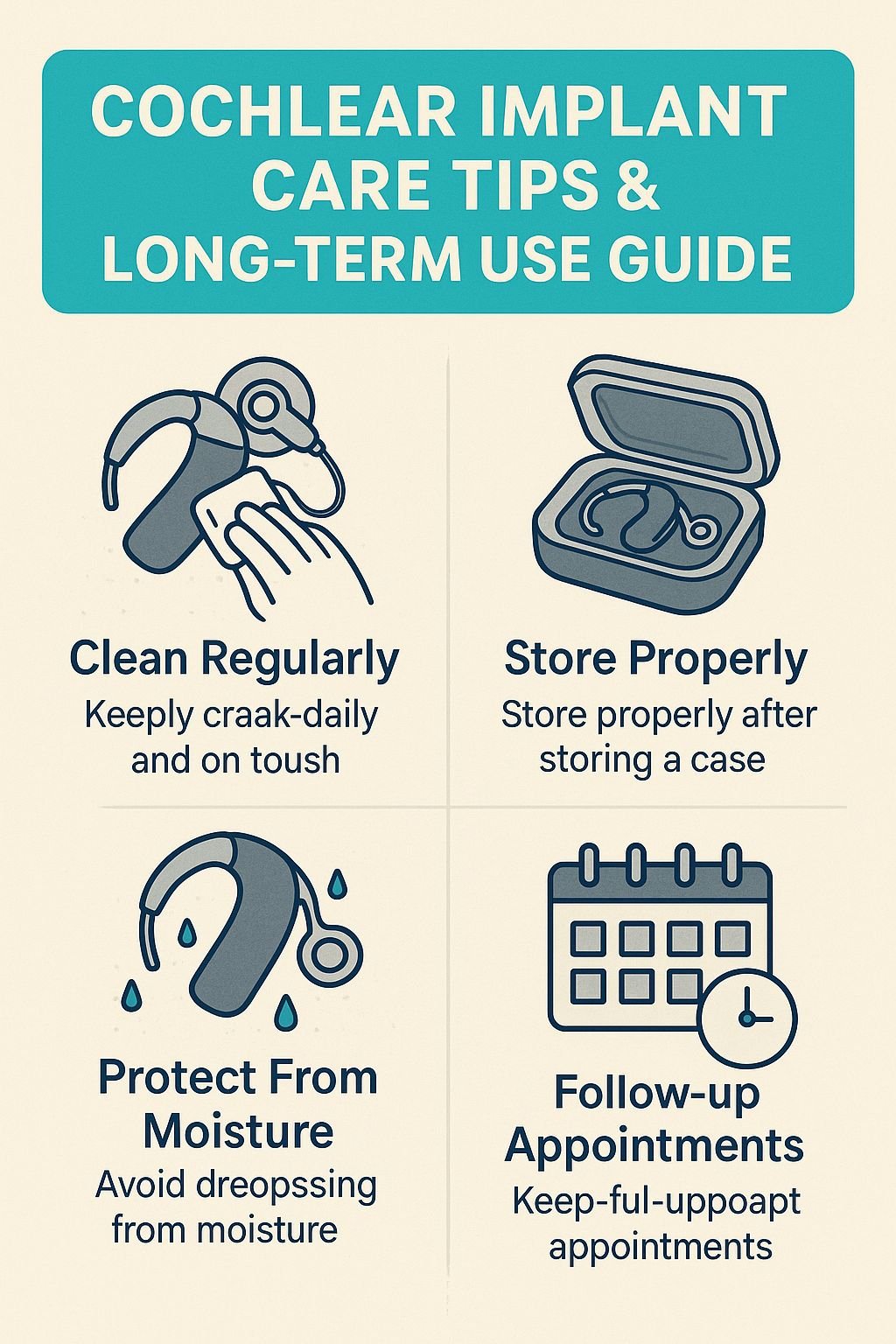
- Extending the life and performance of your cochlear implant can be achieved by keeping the components clean and dry as part of your daily routine.
- Regular mapping sessions with your audiologist are crucial in adjusting your device as your hearing needs change.
- When participating in water activities and physical exercise, special precautions should be taken to prevent damage to your cochlear implant.
- Most troubleshooting issues can be fixed with simple steps such as checking batteries, connections, or using a drying kit.
- By developing strategies for challenging listening environments, your hearing experience in restaurants, workplaces, and social gatherings can be significantly improved.
Living with a cochlear implant can be life-changing, introducing you to sounds and communication opportunities that may have been previously out of reach. However, like any advanced medical device, your cochlear implant needs proper care and maintenance to function optimally. With over 600,000 people around the world using Cochlear™ hearing implants, a wealth of practical knowledge about long-term care and optimization has been developed from the collective experience.
Getting a cochlear implant is just the first step in a journey that continues long after the initial surgery and activation. Proper care and maintenance can have a significant impact on the success of the implant and how long it lasts, according to hearing experts at Cochlear™. Whether you just got your implant or have had it for years, these expert care tips can help you get the most out of your implant and protect your investment in this valuable technology.
Your cochlear implant is built to last, but its intricate parts demand a keen eye. From keeping it dry to fixing sound problems, this detailed guide includes all the key care habits that will let you hear your best for many years.
How to Thrive with Your Cochlear Implant
Getting used to your cochlear implant is an ongoing journey that doesn’t stop after it’s first turned on. Your brain spends the first few months figuring out what to do with the new electrical signals it’s getting from the implant. This time can be challenging and will require you to be patient and to do regular listening exercises to help your brain understand the sounds it’s hearing.
Many users say that sounds feel artificial or unnatural at first, but this feeling usually gets better over time. Using your device all the time when you’re awake can help speed up this getting-used-to-it process. Your hearing specialist will guide you through program changes and listening exercises that are right for your needs during this important learning time.
It’s crucial to have realistic expectations. Although cochlear implants offer substantial hearing advantages for most users, outcomes differ based on factors such as the length of time a person has been deaf before receiving an implant, the age at which they receive the implant, and how consistently they perform rehabilitation exercises. Keep in mind that hearing improvement is often a gradual process, with comprehension continuing to improve months and even years after the device is activated.
Establishing a regular routine for taking care of your cochlear implant is a cornerstone of success. This involves not only the physical upkeep of the device, but also going to your scheduled mapping sessions and practicing your listening exercises. Many people who have received the implant find that it’s helpful to keep a journal of their hearing experiences, as this can help them to track their progress and identify situations where they might need extra help or need to develop a new strategy.
Key Daily Maintenance for Cochlear Implant Wearers
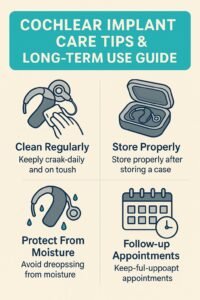
Establishing a regular daily care routine is crucial to preserving the function of your cochlear implant and prolonging its life. The external parts of your device, such as the sound processor, microphone, and cables, need consistent care to avoid problems that could affect your hearing. Taking a few minutes each day for simple maintenance can stop many typical issues before they start.
Your cochlear implant system’s electronic parts are most vulnerable to moisture. Your processor could be damaged by sweat, rain, humidity, and unintentional splashes. Even regular everyday activities might expose your device to moisture, which could cause corrosion or failure over time if not handled properly.
Stay Dry: Strategies to Prevent Moisture
It’s important to keep your cochlear implant dry, and this requires careful attention and the right gear. You’ll need a dehumidifier or a drying kit designed for hearing aids to remove any moisture that builds up from regular use. Take out the battery and put your processor in the drying system overnight to make sure it’s dry when you start your day. If you’re going to be active or if it’s humid, you might want to use a cover or sleeve that’s resistant to moisture. This will protect your processor but still let sound through.
Regular Cleaning of Components Without Causing Any Damage
It is important to clean the components gently every day to prevent debris buildup that could affect the sound quality and the lifespan of the components. Use a soft, dry cloth to clean the external components, especially the connection points. For a more thorough cleaning, a slightly wet cloth may be used on non-electronic parts, but make sure everything is completely dry before putting them back together. Never use alcohol, solvents, or household cleaners on any part of your cochlear implant system, as they can damage the delicate materials and coatings.
Pay special attention to microphone ports, which can get clogged with dust or debris. If your system comes with special brushes for cleaning these ports, follow the manufacturer’s instructions. If your system doesn’t come with cleaning tools, ask your audiologist for recommendations on how to clean your specific model. For more detailed advice, you can explore effective cleaning tips that might be applicable.
Managing Your Battery and Power Supply
Uninterrupted hearing requires a consistent power supply. Whether you use disposable or rechargeable batteries, always bring extras when you go out. If you use disposable batteries, a battery tester can help you figure out when you need to replace your batteries before they completely run out of power. If you use rechargeable batteries, establish a charging routine to ensure your processor is always ready to go. Many people charge their batteries overnight while they use a drying system.
Over time, the battery contacts can become corroded, which can interfere with the connection. It’s important to regularly check these and if needed, gently clean them with a dry cotton swab. When you’re traveling, always pack your charging equipment in your carry-on luggage and think about taking a portable power bank with you in case you need to charge your cochlear implant in an emergency. Some of the newer models of cochlear implants have a battery life indicator or a smartphone app that keeps an eye on the power status. This can help you avoid losing power unexpectedly.
How to Store Your Cochlear Implant Safely
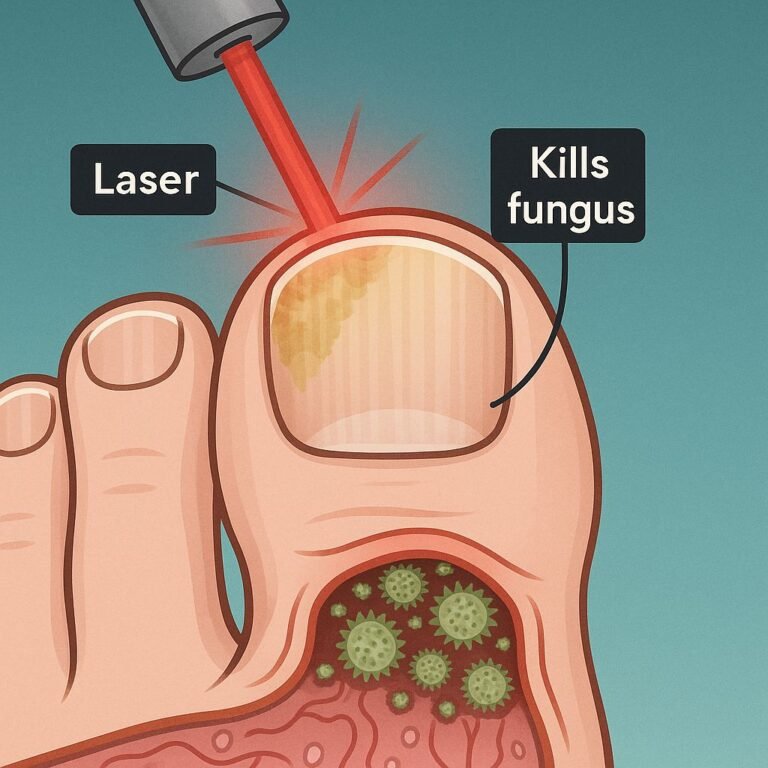
If you’re not wearing your cochlear implant, it’s important to store it correctly to avoid any damage and to help it last longer. A storage case with compartments can help you keep all the parts in order and protect them from dust, moisture, and any physical damage. If you’re not going to use it for a while, take out the batteries to stop them from corroding or draining. Some people like to set up a “home base” where they can store, charge, and dry their cochlear implant, making it easier to look after every day. For more tips on maintaining your health devices, you might find this guide on laser nail therapy insightful.
Store your case in a place that is not too hot or cold, not in direct sunlight, and not in a place with a lot of moisture. Even when you’re not using it, these things can damage the electronics. If you have a child with a cochlear implant, teach them how to store it properly. This will help them take care of their hearing technology for the rest of their life.
Addressing Everyday Cochlear Implant Issues
Despite your best efforts to maintain your cochlear implant, you may still encounter some problems. Understanding how to address these common issues can help you avoid unnecessary trips to the clinic and reduce the amount of time you have to spend without your best possible hearing. Many of these everyday issues can be resolved easily at home without any technical help.
Before you reach out to your audiologist with a problem, it’s often helpful to go through a systematic troubleshooting process first. If you’re having recurring problems, keep a log of them to share with your hearing healthcare team. Patterns in these problems may mean that you need a professional adjustment or need to replace a component.
What to Do When You Can’t Hear or Sound Cuts Out
If you’re not hearing anything or the sound keeps cutting out, start with the simple things. First, make sure your battery is charged and connected correctly—this fixes a lot of problems. Next, look at all the places where parts connect to see if there’s any dirt or damage, and make sure the coils are lined up right over the inside part of the implant. If you’re using different program settings, check to see if you’ve accidentally switched to a program with different volume settings.
Make sure the volume and sensitivity settings are correctly adjusted, and that the microphone ports are not blocked by hair, clothing, or debris. If you’re experiencing persistent intermittent sound issues, it’s usually due to moisture. Try putting your processor in a drying kit overnight and testing it again in the morning. If you’re still having problems after trying these steps, you should contact your cochlear implant center for further help.
Crackling or Warped Sound
Crackling or warped sound can be a sign of interference or problems with the components. Electronic devices, fluorescent lights, and some security systems can cause electromagnetic interference, which can affect the sound. Try moving away from possible sources of interference to see if the problem is resolved. Check the cables and connection points for any damage, as frayed wires or loose connections are a common cause of crackling sound. Additionally, consider exploring effective technological solutions that can help mitigate interference issues.
If your microphone covers are damaged or blocked with dirt, they might need to be replaced. A lot of people who have cochlear implants keep extra covers around just in case. If the sound quality is still bad after you’ve checked for the usual problems, you might need to get a professional to check it out. They can tell you if you need to adjust the map or replace any parts.
Feeling Uncomfortable Around the Implant Area
It’s not unusual to sometimes feel uncomfortable around the area where the implant is, especially when the weather changes or after wearing it for a long time. However, if you have constant pain, swelling, or redness, you need to see a doctor right away, because these could be signs of an infection or other problems. If you have a little bit of irritation, you can adjust where the headpiece is or how strong the magnet is to feel better. Some people find that if they move the magnet around every now and then, they can stop pressure points from forming.
If you’re dealing with skin irritation due to contact with the device, especially in humid conditions or during physical activity, you should make sure to keep the area clean and dry. You could also try using hypoallergenic covers that are designed for sensitive skin. If you often get headaches after wearing your processor, it could be that the magnet is too strong. You should talk to your audiologist about making adjustments.
Disconnecting the External Processor
It can be frustrating when the external coil and internal implant disconnect frequently. But, you can usually fix this problem easily. Make sure your magnet strength is just right. It should be strong enough to stay connected during normal movement. But, it should not be so strong that it irritates your skin. If you are active, you can use special retention accessories. Headbands, clips, or adhesive options can give you more security during physical activities.
If hair grows between the implant and the external coil, the magnetic connection could be disrupted. Keeping the area clear with regular haircuts or a particular hairstyle can help maintain a consistent contact. People with long hair have found that certain hairstyles or accessories can help manage their hair while keeping the processor connection secure all day. For more tips on maintaining healthy hair and scalp, you might find this guide to quick solutions for common issues helpful.
Quick Battery Drain
When your battery is draining too fast, it’s usually due to a problem with the device settings or components. Using high volume settings, streaming audio to your processor, or using features like noise reduction can all increase power usage. Have you recently changed programs or activated features that might be affecting battery life? Extreme temperatures can also affect how your battery performs – both very cold and very hot conditions can reduce the amount of time you can use your device between charges.
Keeping Your Cochlear Implant Safe During Activities
You can still lead an active lifestyle with a cochlear implant, you just need to take the right precautions. Whether you’re swimming, playing sports, or traveling, there are specialized accessories and strategies you can use to protect your cochlear implant while still fully participating in a variety of activities. Many cochlear implant manufacturers now offer accessories designed specifically for activities that help secure and protect the components of the implant from the environment.
Swimming and Other Water Activities
If you have a cochlear implant, you need to be careful when you’re doing water activities. The inside part of the implant is waterproof, but the outside part usually isn’t, unless it was made to be exposed to water. You can use a waterproof case or special water accessories to wear your processor while you swim, but the sound might not be as good under water. A lot of people take off the outside part when they swim, and use signs or special swim caps to keep the inside part safe from being hit.
Staying Safe During Sports and Physical Exercise
- When engaging in high-movement activities, use retention accessories, clips or headbands that are specifically designed for your processor model
- It may be wise to remove processors during contact sports that have a high risk of impact to the head area
- Use moisture-wicking coverings or sweatbands during intense exercise to protect from sweat damage
- For activities like skiing, cycling, or similar, helmet adaptations that are specially designed can comfortably accommodate processors
During physical activities, impact protection needs special attention. While the internal implant is well-protected under skin and sometimes bone, direct impact should still be avoided. Some sports may require protective headgear modified to accommodate external components. Discuss with your audiologist which sports might pose risks and what protective strategies are appropriate for your specific implant system.
When exercising outside, accessories like wind noise reduction covers or moisture guards for rain can make your cochlear implant more comfortable and effective. Many people who use cochlear implants find it helpful to have a separate program setting that’s optimized for exercise environments. This can help manage background noise from gym equipment or crowds at sporting events.
Make sure to dry off any parts that may have gotten sweaty or damp after you work out. Some people like to keep a travel-size drying kit in their workout bag to take care of this right away. This is an easy habit to get into that can really help your parts last longer, especially if you lead an active lifestyle.
Travel Tips for Those with Cochlear Implants
When you’re traveling with a cochlear implant, you need to plan ahead to make sure you can hear at all times. You should pack important supplies in your carry-on bag, like extra batteries, charging equipment, a drying kit, basic cleaning tools, and any retention accessories you use on a regular basis. If you’re traveling abroad, look into what kind of plug adapters you’ll need for your charging equipment, and think about getting a portable battery bank for emergency power. Many people who have cochlear implants find it useful to have their processor identification card and a brief explanation of their device in the local language when they travel abroad.
Usually, airport security procedures won’t cause any problems with cochlear implants. However, it’s a good idea to let the security staff know ahead of time to avoid any confusion. Some models of implants may set off metal detectors, but this doesn’t pose any danger to your device. If you’re worried about going through security equipment, you can ask for alternative screening methods. When it comes to flying, the airplane mode settings on newer processors can stop wireless interference during takeoff and landing. However, most cochlear implants can be used on airplanes without needing to make any special adjustments.
Getting to Know Your Insurance Coverage and Planning for Replacement
It’s important to know what your insurance covers when it comes to cochlear implant upkeep and replacement. This will help you plan your finances in the long run. Most private insurance plans, Medicare, and a good number of Medicaid programs cover the initial implantation. However, there’s a wide range of policies when it comes to replacement parts, processor upgrades, and ongoing mapping sessions. Get in touch with your insurance provider to get detailed information about what your coverage includes. This should cover deductibles, co-payments, and lifetime maximums that may apply to cochlear implant services.
Establishing a Support Network for Your CI
Having a robust support network can greatly improve your cochlear implant experience and provide you with resources to tackle any ongoing challenges. This network often includes medical professionals, family members, and other individuals who have cochlear implants. The collective wisdom and emotional support from these individuals can help you manage the occasional complexities that come with having a cochlear implant, while also celebrating the victories you experience in your hearing capabilities.
Getting the Most Out of Your Audiologist Appointments
Your audiologist is a crucial part of your cochlear implant team and your go-to person for making sure your device is working at its best. Before you go to your appointments, write down situations where you’ve had trouble hearing, any changes you’ve noticed in how things sound, and any questions that have come up since your last appointment. This gives your audiologist the information they need to fine-tune your mapping and programming settings.
Many audiologists are happy to answer minor questions or address small problems between scheduled appointments. It’s important to have a good line of communication with them, whether that’s through a patient portal at the clinic, email, or specific phone hours. This way, you can get answers to your questions quickly. Some practices even offer remote programming for certain models of cochlear implants, which means you can have adjustments made without having to go into the clinic.
Locating Support Groups and Resources
Interacting with other individuals who have cochlear implants can provide helpful advice and emotional support that supplements professional care. National organizations such as the American Cochlear Implant Alliance and the Hearing Loss Association of America offer resources, advocacy information, and connections to local chapters. Many cochlear implant manufacturers also have user groups and online forums where recipients can share experiences and troubleshooting advice. For parents of children with cochlear implants, there are specialized groups that address educational advocacy and developmental support needs that are specific to young users.
Master Your Hearing Experience
Arming yourself with information is perhaps the most critical part of successfully using a cochlear implant in the long run. By actively learning about what your device can do, how to maintain it, and how to make it work best for you, you can improve your hearing and be happier with your device. It might seem like there’s a lot to learn at first, but most people find that getting to know their specific system pays off in the long run.
As technology continues to advance, so do the capabilities of cochlear implants. New features are constantly being introduced that can make the listening experience even better. Keep up to date with these innovations by signing up for updates from the manufacturer, attending user conferences when you can, and talking about new options with your audiologist. Many people who have cochlear implants find that upgrading their processors every 5-7 years (if their insurance and finances allow it) gives them access to better sound processing algorithms and connectivity features.
It’s important to be your own advocate when it comes to your medical care. This is especially true when it comes to your hearing. You should keep a detailed record of everything related to your cochlear implant. This includes the specifics of the implant itself, any programming changes that have been made, and the results of any audiological tests. This information can be very helpful when dealing with insurance companies, seeing new doctors, or in emergency situations. If there’s anything you don’t understand about your care or your device, don’t be afraid to ask questions. The more you understand, the better you’ll be able to take care of yourself and your cochlear implant.
Keep in mind that adjusting to a cochlear implant takes time, it’s not something that happens overnight. Celebrate the small wins as you work towards your communication goals. Many long-term users have found that their understanding continues to improve for years after the implant as their brain adjusts to the electrical signals. Being patient with the process, using the device consistently, and doing auditory training exercises will give you the best chance of success.
- Keep a diary of your hearing experiences to monitor progress and identify difficult scenarios
- Regularly engage in focused listening exercises to enhance speech recognition
- Let new healthcare providers know about your cochlear implant before they perform any procedures
- Register your device with the manufacturer so you can receive important updates
- Think about getting a medical alert identification that mentions your cochlear implant
Common Questions
Whether you’re new to cochlear implants or have been using one for a while, you probably have some questions about your device and how to get the most out of it. The answers provided here address some of the most common questions about long-term cochlear implant care and management. Keep in mind that while these general tips apply to most systems, your audiologist can provide you with information that’s specific to your particular device model and your personal circumstances.
Always refer to your cochlear implant manual and medical team for advice tailored to your circumstances. Recommendations can differ based on the type of implant, personal health considerations, and individual circumstances. If you’re unsure about any aspect of cochlear implant care or use, the safest option is to get in touch with your audiologist or the manufacturer’s support line.
What is the lifespan of a cochlear implant?
The internal piece of a cochlear implant is made to last forever, and most manufacturers report that over 95% of their implants are still working after many decades. The external processor usually lasts 5-7 years before it’s time to upgrade due to new technology and normal wear and tear. With the right care and maintenance, many people keep the same internal implant for their whole lives, only upgrading the external processor to get the latest technology and features as they come out.
Is it safe for me to pass through airport security with my cochlear implant?
Indeed, it is safe for you to go through airport security with your cochlear implant. However, the internal component of the implant may set off metal detectors. This won’t harm your device or your ability to hear. While TSA and international security organizations are typically familiar with cochlear implants, carrying your implant identification card can be helpful in case any questions come up.
Things to Remember When Traveling with a Cochlear Implant
✓ Carry your processor ID card
✓ Have a short written description of your implant (this can be useful when traveling abroad)
✓ Keep a letter from your audiologist (especially for international travel)
✓ Have the contact details of your implant manufacturer’s international offices
✓ Keep a list of the model numbers for any replacement parts you might need
It’s a good idea for recipients to let security staff know about their implant before the screening process starts to prevent any misunderstandings. If you don’t like the usual screening methods, you can ask for a hand inspection of your external processor and a pat-down instead of going through the metal detector. The modern body scanners that many airports use usually don’t interfere with how cochlear implants work.
When it comes to flying, most modern cochlear implants don’t usually need any special arrangements. Some of the latest processors have airplane mode settings which can be turned on during takeoff and landing if the manufacturer suggests it. For advice on airplane mode settings, refer to your device’s user manual.
What happens if my processor gets wet?
If your processor gets wet, you need to act quickly to avoid lasting damage. First, you should switch it off and take out the batteries. Then, dry the outside with a soft cloth that doesn’t leave lint behind. If it’s more than just a few splashes of water, you should put the parts in a hearing aid dryer or a jar of desiccant for at least 8-12 hours. Don’t use heat sources like hair dryers, microwaves, or ovens to dry it, as these can harm the delicate electronics.
If your processor has been in contact with salt water, give it a quick rinse with fresh water before drying it to stop any corrosion from the salt residue. Once it’s completely dry, put in some fresh batteries and give it a test to see how it’s functioning. If you find that it’s not working as well as it used to after being exposed to water, get in touch with your audiologist or the manufacturer’s service department for more advice. Some of the newer processor models have water resistance or are waterproof, so check your device manual to see how much moisture your specific processor can handle.
Can I use smartphone apps with my cochlear implant?
Most new cochlear implant processors have Bluetooth connectivity and come with their own smartphone apps that offer more control and functionality. These apps, which are specific to the manufacturer, usually let users change the volume, switch programs, check the battery level, and even find a lost processor using GPS. Some of the more advanced apps have features that can adjust the processor settings for different environments like a restaurant or a concert, stream audio straight from the phone to the processor, and even offer remote assistance. This means users can connect with their audiologists for adjustments without having to go to the office.
How can I talk about my cochlear implant with others?
Talking about your cochlear implant with others can help build understanding and appropriate accommodations in social and professional settings. You can start by simply saying that a cochlear implant is a medical device that helps you hear by bypassing the damaged parts of your ear and directly stimulating the hearing nerve. You can compare it to other familiar medical devices like pacemakers or insulin pumps that support body functions, emphasizing that it provides access to sound but works differently than natural hearing or traditional hearing aids.
In environments like work or school, you might want to share some of the communication techniques that work best for you. This could be anything from where you like to sit, to needing visual aids to supplement what you hear, or even having important conversations written down for you to read later. Many people with cochlear implants find that giving a short and to-the-point explanation not only satisfies people’s curiosity, but it also gives them practical ways to communicate with you more effectively.
When talking to kids, it’s often helpful to use simple visual aids or comparisons to technology they’re familiar with. Some people carry information cards from the company that made their implant or from patient organizations. These cards have short explanations and can be given out when there isn’t time for a long discussion. Remember, you decide how much you want to share. You don’t have to give more medical information than you’re comfortable with. For more information, you can refer to the Cochlear Implant Program at CHOP.
Sure, I’d be happy to help. However, I don’t see any AI content provided for me to rewrite. Could you please provide the content you’d like rewritten?